

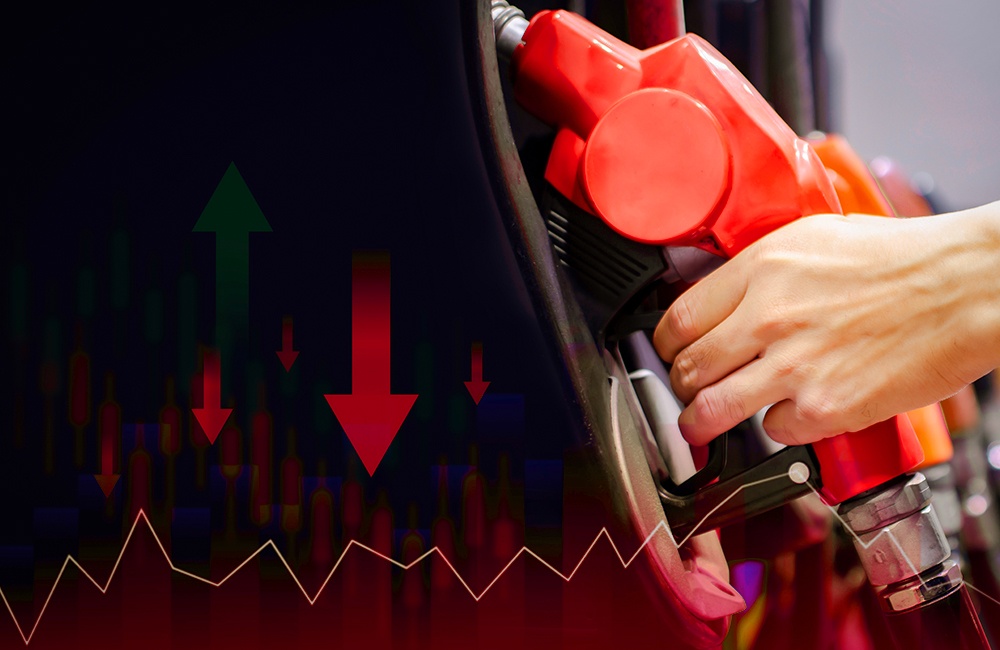
Fuel is one of the largest operational costs in the trucking and logistics industry. Whether a company operates a small fleet of delivery vehicles or a large network of long-haul trucks, fuel expenses can account for up to 40% of overall operating costs. Rising diesel prices, fuel theft, poor driver behavior, and inefficient routing only add to the challenge of keeping costs under control. This is where truck fuel monitoring systems come in. These systems, often integrated with advanced fleet management solutions like DigitFMS, provide real-time visibility into fuel consumption, driver habits, and operational inefficiencies. By implementing the right monitoring technology, businesses can significantly reduce costs, improve efficiency, and protect valuable assets. In this article, we explore the advantages of truck fuel monitoring systems and why they are becoming a necessity for modern fleet operators.
What is a Truck Fuel Monitoring System?
A truck fuel monitoring system is a combination of hardware sensors and software platforms designed to track, measure, and analyze fuel consumption. These systems can monitor:
- Fuel tank levels in real time
- Fuel fill-ups and drain events
- Fuel theft and pilferage
- Driver fuel usage behavior
- Engine idling and fuel wastage
- Fuel efficiency across routes and loads
When connected to a fleet management system like DigitFMS, the data becomes actionable, allowing managers to spot patterns, enforce accountability, and make informed decisions.
Key Advantages of Truck Fuel Monitoring Systems
1. Reduce Fuel Theft and Pilferage
Fuel theft remains one of the biggest issues in trucking, especially in high-cost fuel markets. Drivers or external parties may siphon diesel directly from tanks or manipulate fill-up records.
With a monitoring system:
- Sudden drops in fuel level are flagged instantly.
- Unauthorized siphoning triggers real-time alerts.
- Detailed fuel transaction reports can be matched against receipts.
This transparency ensures that every liter is accounted for, saving fleets thousands of rands annually.
2. Lower Operational Costs
Beyond theft, inefficient driving habits such as idling, harsh acceleration, and poor route planning contribute to wasted fuel.
Truck fuel monitoring systems track and report on:
- Excessive idling times
- Fuel usage per kilometer
- Optimal vs. actual consumption
By identifying inefficiencies, fleet managers can implement corrective measures, train drivers, and introduce policies that reduce fuel burn.
3. Improve Route Planning and Logistics
Fuel monitoring systems often integrate with GPS tracking, providing a complete overview of routes, stops, and driving behavior.
Benefits include:
- Optimizing routes for minimal fuel usage
- Reducing unnecessary detours or unplanned stops
- Planning refueling at cost-effective stations
When logistics and fuel monitoring work hand in hand, businesses achieve both time and cost savings.
4. Enhance Driver Accountability and Training
Driver behavior directly impacts fuel consumption. By linking driver IDs to monitoring data, companies can evaluate:
- Driving speeds
- Braking patterns
- Fuel efficiency per driver
This promotes accountability and encourages responsible driving. Moreover, underperforming drivers can be offered fuel-efficiency training, leading to long-term operational savings.
5. Prevent Vehicle Downtime and Extend Lifespan
Fuel monitoring systems don’t just measure consumption—they provide insights into engine performance. For instance:
- High fuel usage could indicate maintenance issues.
- Irregular consumption patterns may point to fuel injector or filter problems.
Early detection prevents costly breakdowns, keeps trucks on the road longer, and extends the lifespan of the fleet.
6. Environmental Benefits
With increasing emphasis on sustainability, fuel monitoring helps businesses reduce their carbon footprint. Efficient fuel use means:
- Fewer CO₂ emissions
- Lower environmental impact
- Compliance with green logistics standards
This not only benefits the planet but also strengthens the company’s brand reputation as an eco-conscious operator.
7. Accurate Reporting and Analytics
Manual fuel logs are prone to errors and manipulation. In contrast, automated systems provide:
- Real-time dashboards
- Customizable reports
- Historical consumption data
With DigitFMS, managers can track fuel trends across days, weeks, or months, enabling data-driven decision-making.
8. Integration with Fleet Management Systems
Modern fuel monitoring solutions integrate seamlessly with fleet tracking, maintenance, and financial systems.
For example, DigitFMS connects:
- Fuel monitoring with driver safety analytics
- Fuel costs with financial reporting
- Route optimization with real-time fleet tracking
This creates a single source of truth for the entire fleet operation.
9. Scalability Across Fleet Sizes
Whether a business runs 10 trucks or 1,000, monitoring systems scale effortlessly. Cloud-based platforms ensure that multiple vehicles across different locations are tracked in real time.
This flexibility allows small businesses to start with a few vehicles and expand as the fleet grows, ensuring long-term cost savings.
10. Return on Investment (ROI)
One of the most compelling advantages of fuel monitoring is the fast ROI.
Savings typically come from:
- Reduced theft
- Lower maintenance costs
- Increased fuel efficiency
- Optimized logistics
Most companies recover their investment within months, making it a financially sound decision.
Real-World Applications of Truck Fuel Monitoring
Logistics & Transport
Large freight carriers often face fuel losses due to theft or inefficient driving. Monitoring systems help track consumption across thousands of kilometers, ensuring operational efficiency.
Construction & Mining
Heavy-duty vehicles and equipment consume massive amounts of fuel daily. DigitFMS fuel monitoring ensures accurate usage tracking and prevents costly fuel leakage or misuse on-site.
Delivery & Courier Services
For businesses where on-time delivery is critical, efficient routing and reduced idling save both time and money while keeping customers satisfied.
Agriculture
Farm equipment such as tractors and harvesters relies heavily on diesel. Monitoring systems help farmers maximize productivity while reducing wastage.
Why Choose DigitFMS Truck Fuel Monitoring Solutions?
DigitFMS is more than just a tracking provider—it delivers a complete fleet management ecosystem designed for South African businesses.
With DigitFMS fuel monitoring systems, you get:
- Precision tracking sensors for accurate readings
- Real-time alerts for theft, siphoning, and unusual fuel activity
- Cloud-based dashboards accessible anywhere
- Seamless integration with existing fleet tracking systems
- Custom reports tailored to your operational needs
Most importantly, DigitFMS focuses on local challenges, ensuring solutions are designed for the realities of South African logistics, transport, and fuel theft risks.
Future of Fuel Monitoring in Trucking
As technology evolves, fuel monitoring will become even more intelligent. Future developments include:
- AI-driven predictive analytics to forecast fuel consumption
- Integration with electric and hybrid fleets
- Blockchain-based transparency in fuel transactions
Companies that adopt fuel monitoring early will be best positioned to remain competitive, compliant, and profitable in the years ahead.
Conclusion – The Advantages of Truck Fuel Monitoring
In today’s competitive logistics and transport industry, fuel efficiency isn’t just a cost-saving measure—it’s a survival strategy.
Truck fuel monitoring systems provide fleet operators with the tools to:
- Eliminate theft
- Reduce costs
- Improve driver performance
- Ensure sustainability
- Enhance overall fleet efficiency
By partnering with DigitFMS, businesses gain more than just a monitoring system—they gain peace of mind, operational control, and a pathway to profitability.
Ready to take control of your fuel costs and boost your fleet efficiency?
Contact DigitFMS today to learn how our advanced truck fuel monitoring systems can transform your business.
